Let me tell you about last Tuesday.
I was working on a prototype. The core logic was solid. The only thing left was CSS — layout, spacing, some basic polish. The kind of thing I’ve done hundreds of times. Muscle memory at this point.
But I’ve been running every workflow through Claude, so I handed it off. Why wouldn’t I? That’s the whole experiment.
And then it started.
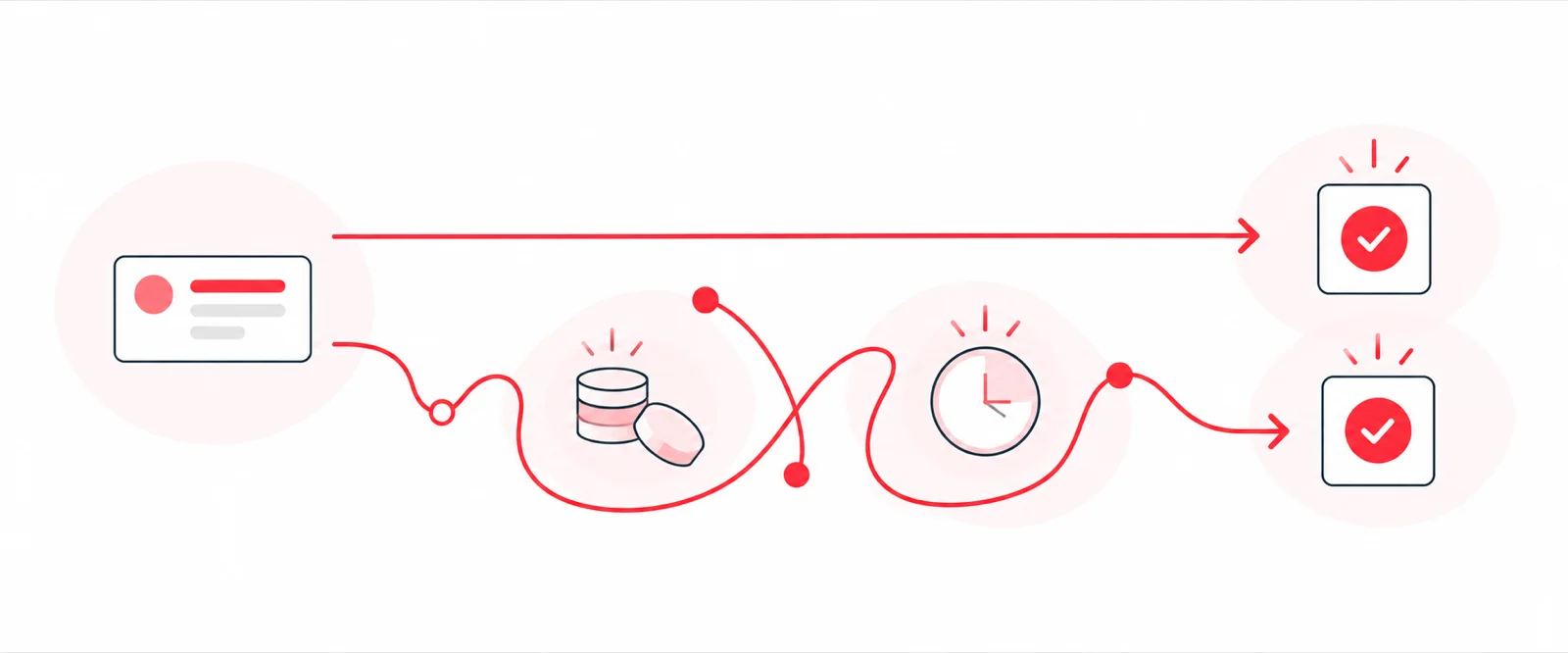
Claude would generate a fix. I’d review it, spot something off, ask for a revision. It would adjust one thing and break two others. I’d ask again. It would overcorrect. I’d re-explain the original goal. It would produce something technically correct that completely missed the visual intent. Thirty minutes in, I should have opened the CSS file myself. I didn’t. I was committed to the bit. Two hours later, I’d burned through my daily message limit and had to pay $25 to keep going. The layout still wasn’t right. I eventually fixed it myself in about 20 minutes.
The honest debrief
CSS is not where AI earns its keep by default. It can produce markup that compiles, but visual judgment — the iterative “that’s almost right but the spacing feels heavy” feedback loop — doesn’t translate cleanly into vague prompts. You end up writing paragraphs to describe things you could have just adjusted directly.
The deeper problem was stubbornness on my part. I knew around the 45-minute mark that I was past the point of efficiency. I kept going anyway, partly out of principle and partly because I didn’t want to admit I’d made a bad call.
That’s a pattern worth naming. There’s a version of AI-first thinking that becomes its own kind of friction, where the commitment to the workflow overrides the judgment about whether the workflow is being used correctly. I fell into it.
What I’m taking from it
I’m not swearing off CSS with Claude. That would be the wrong lesson. The issue wasn’t the tool — it was how I was using it. Vague visual descriptions produce vague results. The fix is being more explicit: specific properties, exact values, clear constraints. Treat it like a precise instruction, not a conversation about vibes. The workflow still has to include an exit ramp though. A clear internal question: is this genuinely a case for AI, or am I using the tool because I’m supposed to be using the tool? The $25 was tuition. The lesson wasn’t “don’t use Claude for CSS.” It was “don’t use any tool lazily and expect good output.”
I’m still figuring this out in public. Some experiments confirm the thesis. This one refined it. More to come.